


Online Bachelor of Arts in Education in Special Education
Special education teachers are in short supply nationwide. 45 states report a shortage in this area, according to the Learning Policy Institute, and the need for skilled, certified educators continues to grow. The online special education degree from Arizona State University prepares you for Arizona teacher certification while building the skills to make a lasting difference: understanding human diversity, communicating with families and professionals, and solving problems that support inclusive learning environments for students with mild and moderate disabilities.
Quick facts

Next start date: 01/11/2027

Total classes: 40
Weeks per class: 15
Total credit hours: 120
This program is also available in-person.
Explore campus options
Prepare for your special education certification

Professional licensure and certification
ASU's academic programs that prepare you for professional licensure or certification are designed to meet Arizona's requirements. Completing an ASU program may not fulfill educational requirements for licensure or certification in other states. For additional information, visit the professional licensure webpage.
Contact MLFCCompliance@asu.edu if you have questions about licensure or certification.

Will my diploma say ‘online’?
No, Arizona State University’s diplomas don’t specify whether you earn your degree online or in person. All diplomas and transcripts simply say “Arizona State University.”
Special education courses
This program includes special education courses focused on writing, implementing learning programs and working with multiple educational teams at a school. Initial classes will take 7.5 weeks to complete and some upper-division courses will take 15 weeks. You’ll develop these skills both through your courses as well as in-classroom learning, including observation opportunities and required internships. Courses include:
Special education careers you’ll be prepared for
Special education teachers are in high demand: 45 states report a shortage in this area, according to the Learning Policy Institute, and the U.S. Bureau of Labor Statistics projects about 37,800 openings for special education teachers each year through 2034, driven largely by teachers retiring or transitioning to new roles. The median annual wage for special education teachers was $64,270 in May 2024, according to the BLS.
This program gives you the expertise to support learners with disabilities in a range of professional settings. Graduates are equipped to teach students with mild and moderate disabilities in inclusive K–12 classrooms, as well as work in community and youth-serving organizations, higher education institutions and health-related organizations, applying inclusive practices that promote access, equity and student success. Career pathways include but aren't limited to:
Business Professor
Education Professor
Elementary Special Education Teacher
High School Special Education Teacher
Instructional Specialist
Kindergarten Special Education Teacher
Middle School Special Education Teacher
School Principal
Social Services Director

Learning from leading special education experts
The Mary Lou Fulton College for Teaching and Learning Innovation faculty draws from a range of academic disciplines, including cognitive science, psychology and economics. They seek to answer questions about the process of learning, teaching practices and effects of education policy. Our faculty is also committed to connecting research to schools and other learning environments. They ensure teacher and leadership preparation programs combine scholarly rigor with practical application.
How to apply
first-year student
You’re considered a first-year student for application purposes if you’ve never attended college or have fewer than 12 transferable credit hours.

Don't meet admission requirements?
You can still gain general admission to most online programs at ASU through Earned Admission. Through this pathway, you can demonstrate your ability to succeed at ASU by completing online courses with a 2.75 GPA or higher.
To begin, submit an application to ASU. An enrollment coach will reach out with more information if Earned Admission is right for you.
*Some programs may have higher admission requirements. You must meet all program requirements to be admitted.
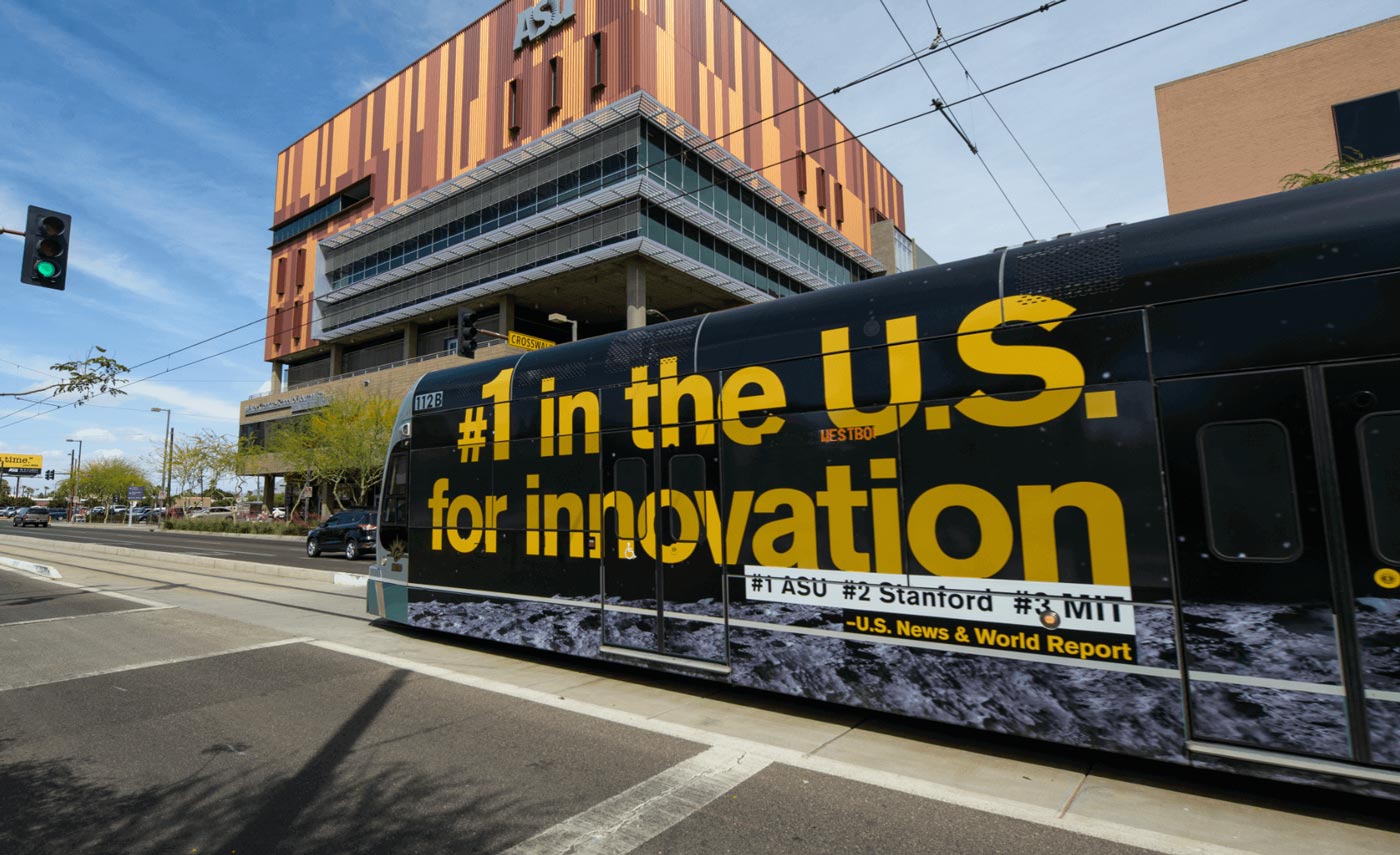
Join one of the best colleges of education in the nation
Mary Lou Fulton College for Teaching and Learning Innovation brings people and ideas together to increase the capabilities of educators and the performance of education systems. Our university has been recognized with peer-reviewed honors from U.S. News & World Report.
#1
best online master's in educational/instructional media programs
#2
best online master’s in curriculum and instruction programs
#4
best online master’s in special education programs
#4
best online master's in administration and supervision programs

Tuition calculator
Use our calculator to estimate your full-time or part-time tuition fees for this program prior to any financial aid. Keep in mind that most of our students receive financial aid, which can reduce out-of-pocket costs. Learn more.


